Sample from our 500+ ready-to-launch private label catalog. Full catalog and pricing available on request.
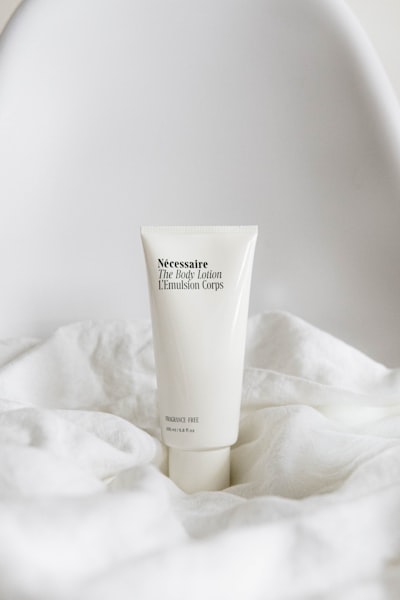
Vitamin C 20% Brightening Serum
SKU: SK-VCS-30 · Skincare · 30ml
High-potency Vitamin C serum with 20% L-Ascorbic acid, ferulic acid & vitamin E. Brightens, evens skin tone, boosts collagen. Best-seller globally.
- L-Ascorbic Acid 20%
- Ferulic Acid
- Vitamin E
- Hyaluronic Acid
Wholesale from €4.2
· MOQ 500 units
· Suggested retail €28
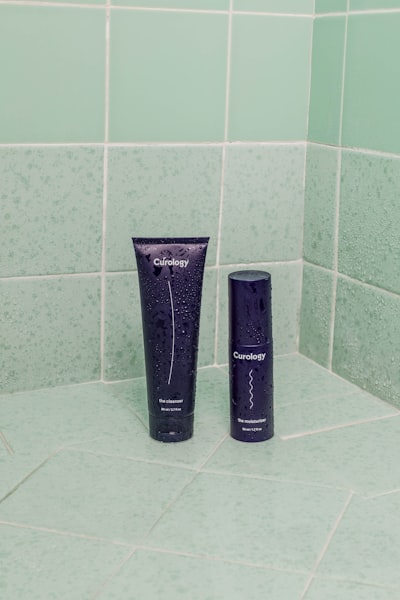
Retinol 0.5% Anti-Aging Night Cream
SKU: SK-RET-50 · Skincare · 50ml
Encapsulated retinol 0.5% night cream with peptides and ceramides. Reduces wrinkles, firms skin, improves texture. Suitable for all skin types.
- Encapsulated Retinol 0.5%
- Niacinamide 4%
- Ceramides
- Peptide Complex
Wholesale from €5.8
· MOQ 500 units
· Suggested retail €38
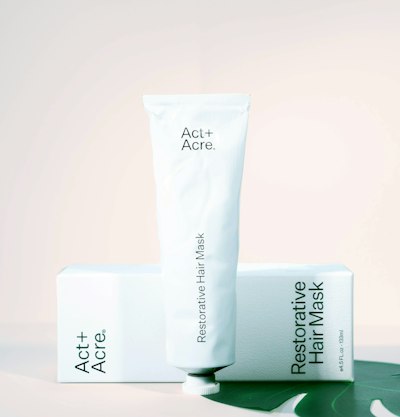
Hyaluronic Acid 3-Weight Hydrating Serum
SKU: SK-HAS-30 · Skincare · 30ml
Triple-weight hyaluronic acid serum (low/medium/high MW) for deep & surface hydration. Plumps, smooths, locks in moisture for 72h.
- Hyaluronic Acid 3 weights
- Panthenol B5
- Aloe Vera
- Glycerin
Wholesale from €3.5
· MOQ 500 units
· Suggested retail €22

Niacinamide 10% + Zinc 1% Pore Minimizer
SKU: SK-NIA-30 · Skincare · 30ml
Clinical-strength niacinamide 10% with zinc 1%. Minimises pores, controls sebum, reduces blemishes. Water-light texture.
- Niacinamide 10%
- Zinc PCA 1%
- HA
- Panthenol
Wholesale from €2.9
· MOQ 500 units
· Suggested retail €18

Peptide Eye Contour Cream
SKU: SK-EYE-15 · Skincare · 15ml
Advanced eye cream with Argireline, Leuphasyl & Syn-Ake peptides. Reduces crow's feet, dark circles, puffiness. Cooling applicator tip available.
- Argireline 5%
- Leuphasyl 3%
- Caffeine
- Vitamin K2
- Collagen
Wholesale from €4.8
· MOQ 500 units
· Suggested retail €35

SPF 50+ Daily UV Shield
SKU: SK-SPF50-50 · SPF / Sun Care · 50ml
Broad spectrum SPF50+ (UVA/UVB) with invisible finish. Tinted & untinted variants. Lightweight, non-comedogenic, suitable under makeup.
- Uvinul A Plus
- Uvinul T 150
- Tinosorb S
- Niacinamide 3%
Wholesale from €4.5
· MOQ 1000 units
· Suggested retail €26
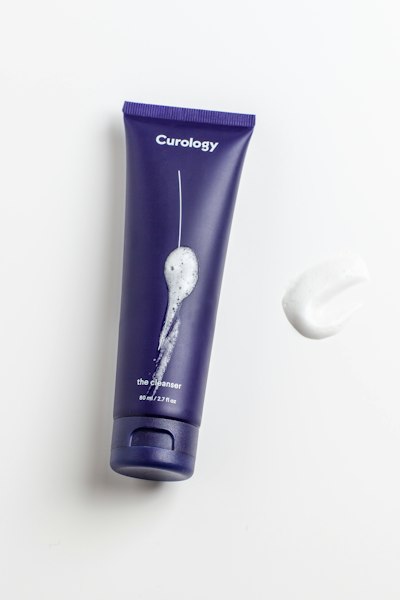
AHA/BHA 10% Exfoliating Toner
SKU: SK-AHA-100 · Skincare · 100ml
Dual-acid toner with 8% Glycolic + 2% Salicylic acid. Resurfaces texture, unclogs pores, brightens complexion. Suitable for most skin types.
- Glycolic Acid 8%
- Salicylic Acid 2%
- Aloe Vera
- Panthenol
Wholesale from €3.2
· MOQ 500 units
· Suggested retail €22
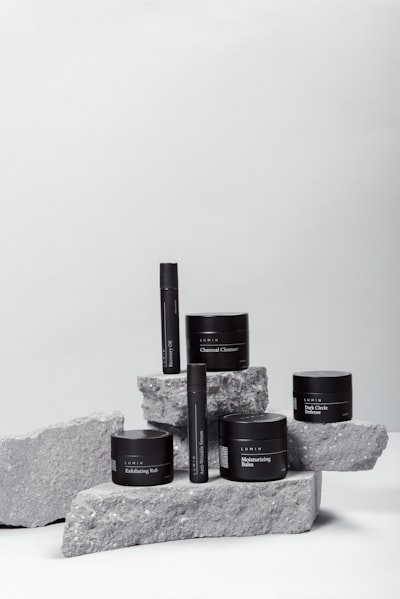
Bakuchiol Natural Retinol Alternative Serum
SKU: SK-BAK-30 · Skincare · 30ml
Plant-based retinol alternative. Bakuchiol 1% with rosehip & squalane. Anti-aging without sensitivity. Safe for pregnancy. Trending fast.
- Bakuchiol 1%
- Rosehip Oil
- Squalane
- Ectoin
Wholesale from €4.6
· MOQ 500 units
· Suggested retail €32
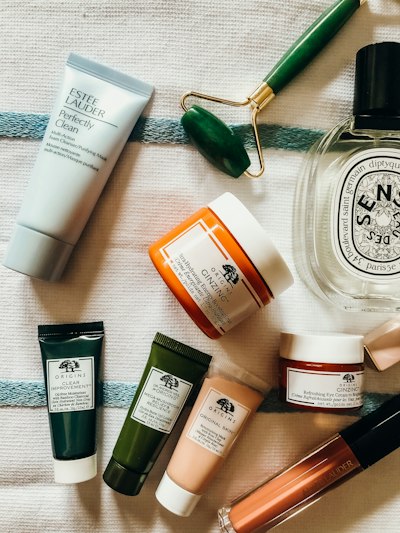
Ceramide Barrier Repair Moisturiser
SKU: SK-CER-50 · Skincare · 50ml
Ceramide-rich moisturiser that repairs compromised skin barriers. 3 essential ceramides + cholesterol + fatty acids. Suitable for eczema-prone & sensitive skin.
- Ceramide NP
- Ceramide AP
- Ceramide EOP
- Cholesterol
- Shea Butter
Wholesale from €4.1
· MOQ 500 units
· Suggested retail €28

CBD 5% Calming Face Serum
SKU: SK-CBD5-30 · CBD / Hemp · 30ml
Broad-spectrum CBD 5% (500mg) calming serum with bisabolol & green tea. Reduces redness, calms reactive skin. EU-compliant, full COA.
- CBD Broad Spectrum 5%
- Bisabolol
- Green Tea Extract
- HA
Wholesale from €5.5
· MOQ 500 units
· Suggested retail €42
CBD 3% Anti-Inflammatory Face Cream
SKU: SK-CBD-CREAM-50 · CBD / Hemp · 50ml
Rich CBD face cream with CBG co-factor. Anti-inflammatory, deeply nourishing. Ideal for rosacea-prone, stressed & post-procedure skin.
- CBD 3%
- CBG 0.5%
- Sea Buckthorn
- Centella Asiatica
- Shea Butter
Wholesale from €6.2
· MOQ 500 units
· Suggested retail €48

Argan Oil & Keratin Repair Shampoo
SKU: HC-ARG-250 · Haircare · 250ml
Salon-quality argan oil shampoo with hydrolyzed keratin. Repairs damage, adds shine, reduces frizz. Sulfate-free. For all hair types.
- Argan Oil 3%
- Hydrolyzed Keratin
- Panthenol B5
- Vitamin E
Wholesale from €3.8
· MOQ 500 units
· Suggested retail €22
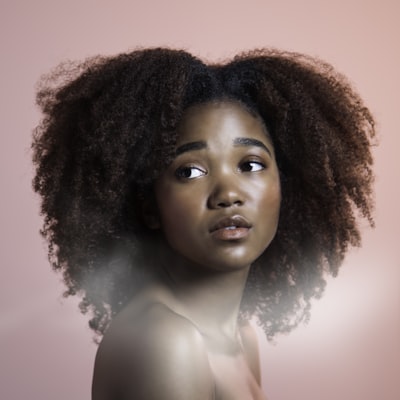
Brazilian Keratin Smoothing Treatment
SKU: HC-KER-250 · Haircare · 250ml
Professional-grade keratin smoothing treatment. Eliminates frizz, straightens naturally, adds mirror shine for up to 3 months. Salon exclusive.
- Hydrolyzed Keratin 8%
- Glyoxylic Acid
- Argan Oil
- Collagen
Wholesale from €6.5
· MOQ 500 units
· Suggested retail €45

Intensive Hydrating Hair Mask
SKU: HC-MASK-300 · Haircare · 300ml
Deep conditioning mask with avocado oil, shea butter & hydrolyzed protein. 10-minute weekly treatment for transformed, glossy hair.
- Avocado Oil
- Shea Butter
- Hydrolyzed Wheat Protein
- Panthenol
Wholesale from €4.2
· MOQ 500 units
· Suggested retail €26
Shea Butter & Vitamin E Body Lotion
SKU: BC-SHB-250 · Body Care · 250ml
Rich-yet-light body lotion with raw shea butter, vitamin E & almond oil. 48h moisturisation. Fast-absorbing, non-greasy. Unscented & scented options.
- Shea Butter 8%
- Vitamin E
- Sweet Almond Oil
- HA
Wholesale from €2.8
· MOQ 500 units
· Suggested retail €16
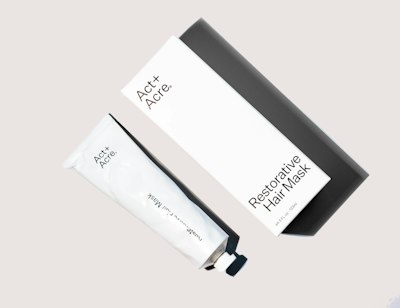
Coffee & Sugar Energising Body Scrub
SKU: BC-SCR-300 · Body Care · 300ml
Invigorating body scrub with real coffee grounds, brown sugar & coconut oil. Exfoliates dead cells, improves circulation, anti-cellulite action.
- Coffee Arabica Grounds 12%
- Brown Sugar
- Coconut Oil
- Caffeine 2%
Wholesale from €3.4
· MOQ 500 units
· Suggested retail €22

Micellar Gentle Shower Gel
SKU: BC-SHOWER-250 · Body Care · 250ml
Ultra-gentle micellar shower gel. SLS/SLES-free, pH-balanced. Suitable for sensitive skin and daily use. Custom fragrances available.
- Cocamidopropyl Betaine
- Sodium Lauroyl Sarcosinate
- Aloe Vera
- Panthenol
Wholesale from €1.9
· MOQ 1000 units
· Suggested retail €10
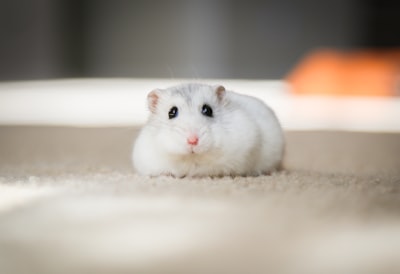
Hotel Amenity Kit — Classic White Label 30ml
SKU: HA-30ML · Hotel Amenities · 4 x 30ml
4-piece hotel amenity kit: shampoo, conditioner, body lotion, shower gel. 30ml each. Custom label & fragrance. White label or full custom branding.
- Gentle surfactants
- Panthenol
- Aloe Vera
- Custom Fragrance
Wholesale from €2.4
· MOQ 200 units
· Suggested retail €null

Hotel Amenity Kit — Premium 80ml
SKU: HA-80ML · Hotel Amenities · 4 x 80ml
Premium 4-piece hotel kit in 80ml. Luxury formulas with argan oil & natural extracts. Custom branding, pump or flip-top caps, eco-refillable option.
- Argan Oil
- Natural Extracts
- Vitamin E
- Eco-Friendly Formula
Wholesale from €4.8
· MOQ 300 units
· Suggested retail €null
Marine Collagen Firming Serum
SKU: SK-COL-30 · Skincare · 30ml
High-molecular marine collagen with DMAE & peptides for visible lifting. Firms, plumps, restores elasticity. Luxury feel, premium positioning.
- Marine Collagen 5%
- DMAE
- Syn-Coll Peptide
- Squalane
Wholesale from €5.2
· MOQ 500 units
· Suggested retail €38
Rosehip & Squalane Face Oil
SKU: SK-ROSE-30 · Skincare · 30ml
100% natural face oil blend. Cold-pressed rosehip, jojoba, squalane & marula. Anti-aging, brightening, scarring. Non-comedogenic.
- Rosehip Oil 40%
- Squalane 30%
- Jojoba Oil
- Marula Oil
- Vitamin E
Wholesale from €4.8
· MOQ 500 units
· Suggested retail €34
Charcoal Detox Clay Face Mask
SKU: SK-CHAR-100 · Skincare · 100ml
Activated charcoal & kaolin clay purifying mask. Deep cleansing, pore tightening, sebum control. 10-minute treatment. Suitable for oily/combination skin.
- Activated Charcoal 3%
- Kaolin Clay 15%
- Tea Tree Oil
- Niacinamide
Wholesale from €3.6
· MOQ 500 units
· Suggested retail €24
Probiotic Skin Balancing Moisturiser
SKU: SK-PRO-50 · Skincare · 50ml
Probiotic lysate complex that restores microbiome balance. Reduces inflammation, strengthens barrier, prevents breakouts. Award-winning formula.
- Lactobacillus Lysate
- Prebiotic Inulin
- Ceramides
- Zinc
Wholesale from €4.4
· MOQ 500 units
· Suggested retail €30
Peptide Firming Neck & Décolletage Cream
SKU: SK-NECK-50 · Skincare · 50ml
Concentrated peptide cream for neck & décolletage. Firms sagging skin, reduces horizontal lines, improves elasticity. High-margin niche product.
- Matrixyl 3000
- Argireline
- DMAE
- Retinyl Palmitate
Wholesale from €5.6
· MOQ 500 units
· Suggested retail €42
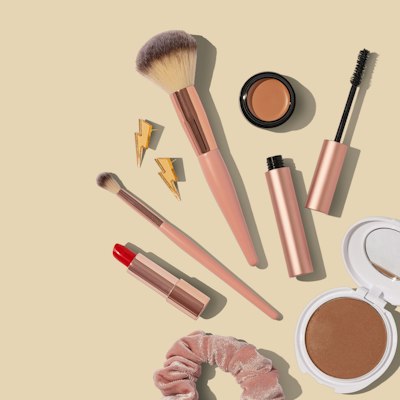
BB Cream SPF 30 — 5 Shades
SKU: SPF-BB-50 · SPF / Sun Care · 50ml
Multitasking BB cream with SPF30 + tint + moisturiser. 5 universal shades for all skin tones. Light-medium buildable coverage. Perfect everyday hybrid.
- SPF30 UV Filters
- Iron Oxides
- HA
- Vitamin C
Wholesale from €4.9
· MOQ 500 units
· Suggested retail €29
Dry Body Oil with Iridescent Shimmer
SKU: BC-BODY-OIL-100 · Body Care · 100ml
Luxury dry oil blend with jojoba, almond & argan oils. Golden shimmer option. Fast-absorbing, non-greasy. Ideal for gifting & summer collections.
- Jojoba Oil
- Argan Oil
- Almond Oil
- Mica (optional shimmer)
Wholesale from €4.2
· MOQ 500 units
· Suggested retail €28
Snail Mucin 96% Repair Essence
SKU: SK-SNAIL-30 · Skincare · 30ml
96% snail mucin filtrate essence inspired by K-beauty. Repairs skin damage, fades scars & hyperpigmentation, plumps. Trending ingredient worldwide.
- Snail Secretion Filtrate 96%
- HA
- Panthenol
Wholesale from €4.5
· MOQ 500 units
· Suggested retail €32
Scalp Balancing Serum — Anti Hair-Loss
SKU: HC-SCALP-100 · Haircare · 100ml
Clinically proven scalp serum with Redensyl + Procapil + biotin. Stimulates follicles, reduces hair loss by 83% in 3 months (clinical data).
- Redensyl 3%
- Procapil 3%
- Biotin
- Caffeine
- Zinc
Wholesale from €5.8
· MOQ 500 units
· Suggested retail €42
Azelaic Acid 10% Brightening Treatment
SKU: SK-AZELAIC-30 · Skincare · 30ml
Multifunctional azelaic acid 10% cream-gel. Targets hyperpigmentation, rosacea, acne, enlarged pores. Gentle enough for sensitive skin.
- Azelaic Acid 10%
- Tranexamic Acid 2%
- Niacinamide
- Allantoin
Wholesale from €3.8
· MOQ 500 units
· Suggested retail €26
Luxury Hand Cream — Intense Repair
SKU: BC-HAND-75 · Body Care · 75ml
Non-greasy intensive hand cream with urea 5%, shea butter & glycerin. Fast healing of dry, cracked hands. Tube or pump options available.
- Urea 5%
- Shea Butter
- Glycerin
- Allantoin
- Vitamin E
Wholesale from €2.6
· MOQ 500 units
· Suggested retail €16